Enrique Razon Jr.: Life and Success Story
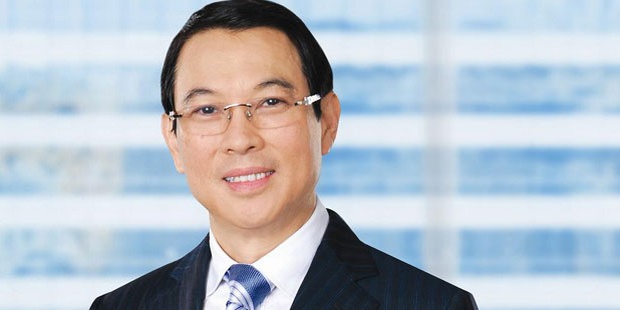
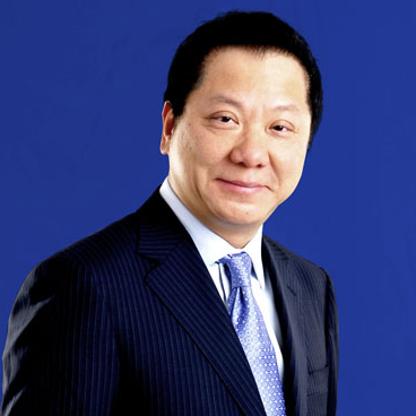
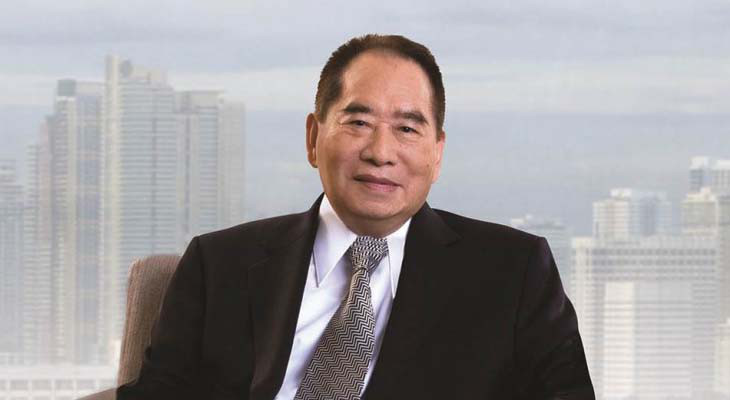
Enrique Razon Jr. runs the Philippines’ largest port company, and as of the 2026 Forbes rankings, he has more money than any other Filipino alive. He rarely gives interviews. Most people who have heard his name know him for the ports, or for Solaire, the casino that put Philippine gaming on the map. Few know how he actually built it.
Early Life
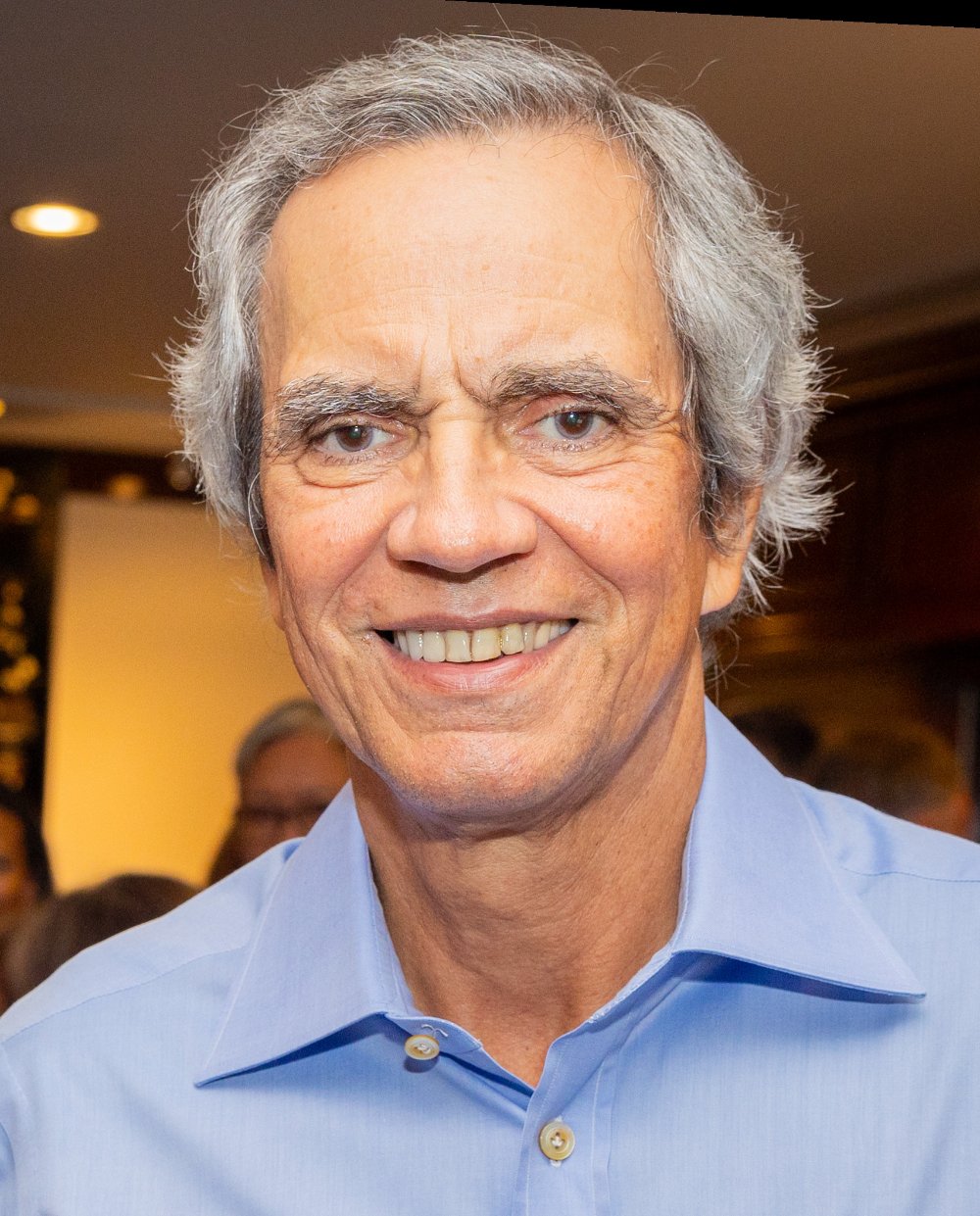
Razon was born on March 3, 1960, in Manila, the youngest of five children. His family had already been in the shipping business for two generations by then. His grandfather, Jose Razon, started handling cargo on Manila’s waterfront in the early 1900s. His father, Enrique Sr., rebuilt the business from scratch after World War II wiped out most of what the family owned.
At 17, Razon dropped out of college to join the family business, against his father’s wishes. He started at minimum wage, working the waterfront alongside the dockhands his father employed. He has said in interviews that he learned more from those years on the ground than he ever would have in a classroom.
Building ICTSI
In 1987, the Razon family and the Soriano family incorporated International Container Terminal Services, Inc. to bid for the contract to run the Manila International Container Terminal. They won it in 1988, and Razon took charge of building it out. By 1995, he was chairman and president of the company.

From there, ICTSI grew far past Manila. Razon pushed the company into port operations across more than 30 countries, spanning Asia, the Americas, Europe, and Africa. Container terminals are a slow, capital-heavy business. Long-term contracts, government negotiations, years before a new terminal turns a profit. Razon built ICTSI’s entire growth strategy around exactly that kind of patience, buying into ports other operators considered too risky or too remote, then running them long enough to make the math work.
Solaire and the Move Into Gaming
In 2013, Razon opened Solaire Resort and Casino in Manila, the country’s first fully integrated casino resort. It came at a time when the government was actively courting the kind of foreign gaming investment that had transformed Macau and Singapore, and Solaire became the flagship for Manila’s answer to that ambition.

Under Bloomberry Resorts Corporation, the company Razon chairs, Solaire has since expanded twice. Solaire Resort North opened in Quezon City in 2024 as a 1 billion dollar property, and a third resort is now in planning for Ternate, Cavite. Razon also holds a stake in Prime Infrastructure Capital, which invests in water utilities and renewable energy, a much quieter business than ports or casinos, but one that fits the same pattern of buying into assets that take decades to pay off.
Where the Wealth Stands Now
Forbes put Razon’s net worth at 16.5 billion dollars in its 2026 World’s Billionaires List, more than 50 percent higher than the year before. That made him the richest Filipino on the list, and the only one from the Philippines to crack the global top 200, landing at 175th out of 3,428 billionaires worldwide. His fortune sits mostly in his stakes in ICTSI and Bloomberry.
Public Disputes He’s Faced
Razon’s business has run into real friction along the way. ICTSI has been in a long-running dispute with the Government Service Insurance System over the 67-hectare stretch of land in Manila where its flagship port terminal sits. GSIS has argued it can sell the land and has asked ICTSI to pay close to a billion pesos a year in back rent. ICTSI has countered that GSIS holds only a “naked title” to the property and that the real owner is the Philippine Ports Authority. The dispute helped push a GSIS president to resign in 2026, and it remains unresolved.
Razon has also gone to court over his public reputation. In January 2026, he filed a cyber libel complaint against Cavite congressman Francisco Barzaga, after Barzaga posted on Facebook accusing Razon of bribing lawmakers to back Martin Romualdez’s re-election as House Speaker. Razon pointed out that Romualdez ran unopposed and won by a supermajority, making the alleged bribery unnecessary by his account. Barzaga later apologized. Razon sought 100 million pesos in moral damages and 10 million pesos in exemplary damages in the complaint.
Lessons From How He Built It
Learn the business from the ground, not the org chart
Razon started at minimum wage on the same waterfront he would eventually control. He did not skip the years of manual, unglamorous work most heirs are shielded from, and he has credited that time with teaching him how the business actually runs, not how it looks from a boardroom.
Patience beats speed in capital-heavy businesses
Ports and casinos both take years to become profitable, and Razon built his entire portfolio around businesses other investors avoid for exactly that reason. He bought into terminals in countries most operators considered too risky, then held on long enough for the economics to turn.
Wealth does not buy immunity from disputes
Even at the top of the Forbes list, Razon has had to fight a land dispute worth billions of pesos and defend his name in court against a libel claim. Being the richest man in the country has not made him unaccountable to government agencies or lawmakers, and he has responded to both through the same official channels open to anyone else.
Closing Thoughts
Razon’s story does not follow the usual rags-to-riches template told about most Filipino tycoons. He came from money, in a family already two generations deep in the same business. What changed the outcome was what he did once he had it: choosing terminals other companies would not touch, holding onto them for decades, and building a casino resort at a moment when almost nobody expected Manila to compete with Macau. Right now, that patience has made him the richest man in the country. Whether it keeps him there depends on how the GSIS dispute, and whatever comes after it, gets resolved.
Sources
- Wikipedia, “Enrique K. Razon”
- Forbes, “Enrique Razon Jr.” profile and 2026 World’s Billionaires List coverage
- BusinessWorld, “Razon is the richest Filipino on Forbes’ World’s Billionaires List” (March 2026)
- Rappler, “Timeline: GSIS, Enrique Razon’s dispute over port property”
- Manila Bulletin and Philstar, coverage of the Barzaga cyber libel complaint and apology (January-2026)