Ramon Ang: Life and Success Story
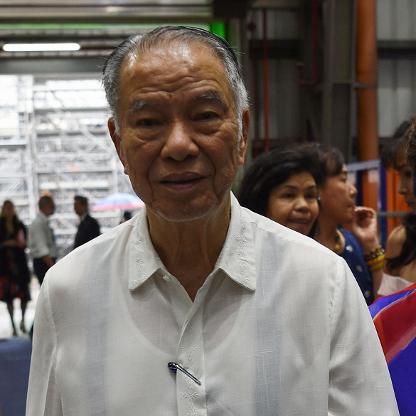
Ramon Ang did not inherit San Miguel Corporation. He fixed a rich man’s car, got hired as his mechanic, and ended up running one of the largest conglomerates in the Philippines. As of the 2026 Forbes rankings, he is the second-richest Filipino alive, behind only Enrique Razon Jr.
Early Life
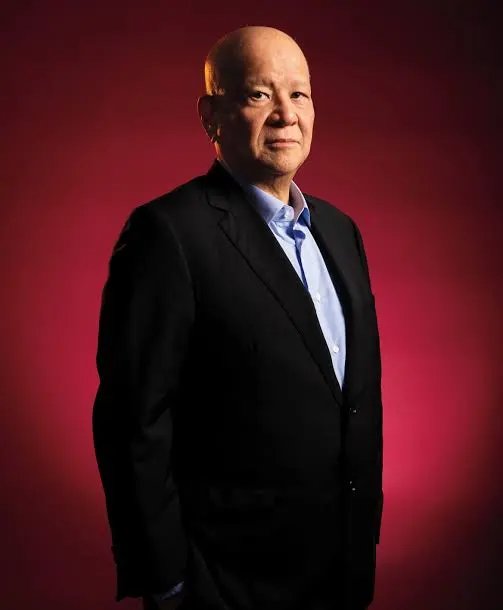
Ramon See Ang was born on January 14, 1954, in Tondo, Manila, to ethnic Chinese parents. He grew up helping out at his father’s small vehicle parts shop and worked from a young age to help support his siblings. He still managed to finish a degree in mechanical engineering at Far Eastern University.
After college, Ang worked on fixing and selling used Japanese car and truck engines. That trade led to the moment that changed his career: Eduardo “Danding” Cojuangco brought in a broken multimillion-peso sports car for repair, and Ang was the one who diagnosed the problem. Cojuangco hired him on the spot as his personal mechanic.
From Mechanic to San Miguel
Cojuangco, who chaired San Miguel Corporation, gave Ang his first real management job running North Cement Corporation. Impressed by how he handled it, Cojuangco later sold him a large block of his own San Miguel shares. Ang became vice chairman of SMC in January 1999 and president and chief operating officer in March 2002. When Cojuangco died in 2020, Ang succeeded him as chairman, adding that title to his existing role as president and CEO.
Under Ang, San Miguel moved a long way past beer. Food and beverages are still part of the business, but power generation and infrastructure now bring in the bulk of its revenue.
Betting on Airports and Toll Roads
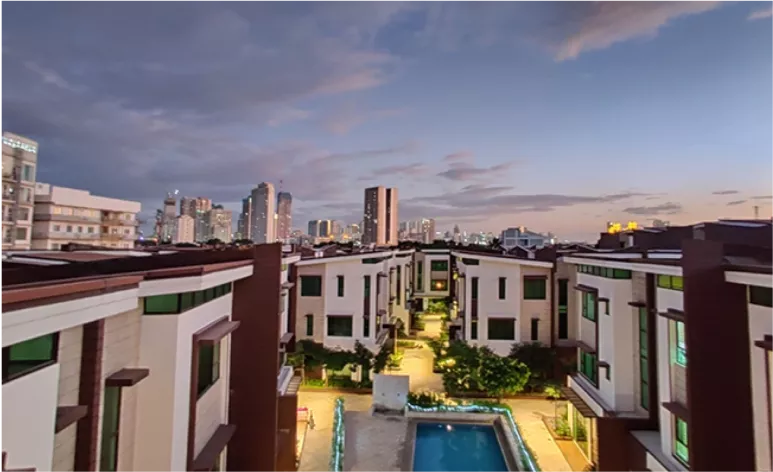
San Miguel bought a majority stake in Philippine Airlines in 2010, its entry into aviation. Since then, Ang has pushed the company into a 3 billion dollar project to overhaul Manila’s international airport and a 15 billion dollar plan to build an entirely new airport and city complex on a 2,500-hectare site in Bulacan.
San Miguel is already the country’s biggest tollway operator by revenue, and Ang has laid out plans to add 1,100 kilometers of new toll roads linking Metro Manila to outlying provinces. On the power side, the company is modernizing plants with a combined capacity of 6,595 megawatts, and has teamed up with fellow tycoons Sabin Aboitiz and Manuel Pangilinan on a 3.3 billion dollar liquefied natural gas and power venture.
Where the Wealth Stands Now
Forbes put Ang’s net worth at 3.6 billion dollars in 2026, placing him second among Filipino billionaires, just ahead of Lucio Tan and behind Enrique Razon Jr. Ang has said publicly that he has no interest in running for political office, preferring to stay focused on the business.
Disputes He’s Faced
San Miguel’s infrastructure push has not gone unchallenged. Fisherfolk communities in Navotas, represented by the group Pamalakaya-Pilipinas, have filed a petition with the Court of Appeals over reclamation projects tied to San Miguel developments, arguing the projects displaced them from waters they depend on for mussel farming and are seeking compensation for the damage.
Lessons From How He Built It
A skill can open a door money can’t
Ang did not network his way into San Miguel. He fixed a car correctly when others could not, and that single moment of competence became the start of everything that followed.
Move the core business into what’s next
San Miguel was a beer company for most of a century. Ang pushed it into fuel, then airlines, then power and infrastructure, betting that the country’s growth would need those things more than it needed another bottling plant.
Big infrastructure bets come with real opposition
Airports, toll roads, and reclamation projects reshape land and livelihoods, and not everyone affected agrees to the trade. Ang’s expansion has drawn organized pushback from communities who say they are paying the cost of it.
Closing Thoughts
Ang’s rise came from being useful to the right person at the right moment, then proving over decades that the trust was well placed. He has taken San Miguel further from its original business than almost any other Filipino conglomerate has moved from its roots. Whether that bet on airports, toll roads, and power pays off the way his earlier ones did will shape how his story gets told from here.
Sources
- Wikipedia, “Ramon Ang”
- Forbes, “Ramon Ang” profile and coverage of San Miguel’s airport and infrastructure projects
- Rappler, coverage of Ramon Ang and San Miguel Corporation
- Philstar.com and Business Inquirer, coverage of Ang’s statements on politics and San Miguel’s business strategy
- Reporting on the Pamalakaya-Pilipinas petition against San Miguel reclamation projects