
Can You Franchise Grab in the Philippines?
Grab is everywhere in the Philippines, from rides and food delivery to parcels and payments, and its sheer reach leads a lot of people to search for a “Grab franchise” the same way they would search for a fast food or retail one. That search will not turn up what you expect. Grab is not a business you can buy into as a franchisee, and the word “franchise” that does show up on Grab’s own driver page actually refers to something else entirely, a government permit, not a business opportunity from Grab itself. Here is what is actually going on, and what the real paths to doing business with or through Grab look like.
Behind the Brand
Grab is a Singapore-headquartered superapp operating across Southeast Asia, offering ride-hailing, food and grocery delivery (GrabFood, GrabMart), parcel delivery (GrabExpress), digital payments (GrabPay), and financial services, run in the Philippines out of its Ortigas Center, Pasig office. It generates revenue mainly through commissions and service fees charged to driver-partners and merchant-partners for access to its platform and customer base, not through franchise fees paid by business owners.
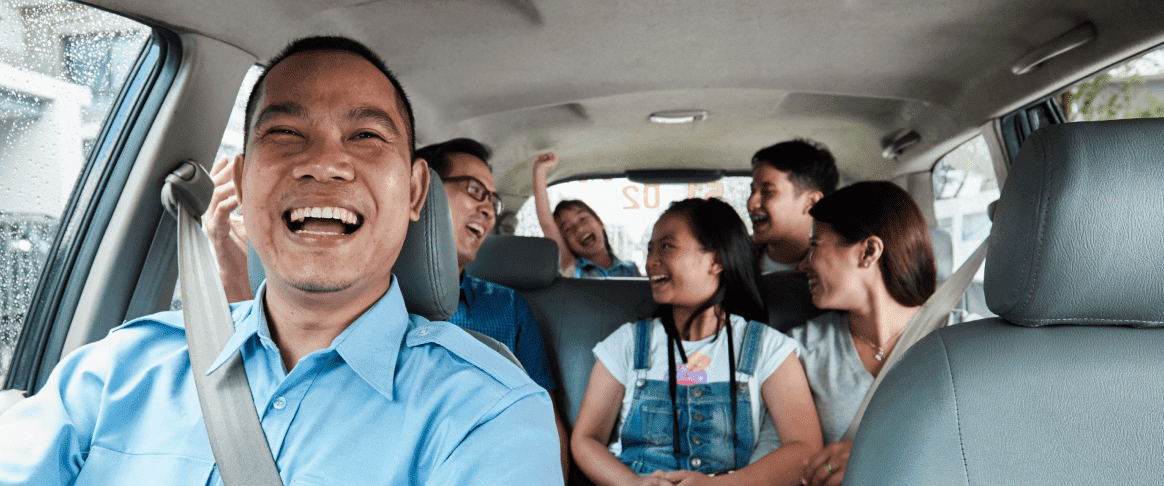
The platform runs on three main partner types: driver-partners (Car, Taxi, and two-wheel transport), delivery-riders, and merchant-partners (restaurants and stores listed on GrabFood or GrabMart). None of these is a franchise in the business-ownership sense used elsewhere on this site. They are participation models: sign up, meet the requirements, and start using the app to find customers, with Grab taking a cut of each transaction.
Why You Can’t Franchise Grab Locally
Grab does not offer a franchise program to individuals or investors, and there is no application process anywhere on its official channels for “opening a Grab” the way you would open a food or retail franchise. What actually generates the confusion is language on Grab’s own driver requirements page. Under “What do I need to do?” for car and taxi driver-partners, the page states plainly: “You will need to secure Franchise from Land Transportation and Regulatory Board (LTFRB) documents.”
That “franchise” is not a Grab product. It refers to the Certificate of Public Convenience (CPC), the government permit the LTFRB issues to Transportation Network Vehicle Service (TNVS) operators, authorizing a specific vehicle to legally operate as a for-hire ride-hailing vehicle. This is standard transport regulatory language in the Philippines, the same term used for jeepney and UV Express operating certificates, and it has nothing to do with buying rights to run a Grab-branded business. The distinction matters: the vehicle owner or operator holds this LTFRB franchise, not Grab, and not the person actually driving if they are renting or driving someone else’s registered vehicle.
Grab’s own commission structure reinforces that this is a platform-access model, not a franchise. Grab takes up to 20% commission on standard ride bookings and up to 40% on GrabTaxi bookings, according to its own driver FAQ, fees for using the app and its customer base, not a franchise royalty tied to a business format Grab designed for you to replicate.
Advantages and Disadvantages of the Closest Real Alternative
The closest thing to an actual investable business tied to Grab is becoming a TNVS fleet operator: buying or leasing vehicles, securing the LTFRB franchise for each one yourself, and renting them out to drivers under a boundary system (a fixed daily amount paid to you by the driver, commonly cited around ₱1,200 per vehicle per day in industry reporting). It is worth weighing seriously if a Grab-adjacent business is genuinely what you are after.
- Advantage: real, tangible business ownership (the vehicles and the LTFRB franchise are yours), unlike driving for Grab yourself, which is gig income, not equity in a business.
- Advantage: recurring boundary-system income from each vehicle, scalable by adding more vehicles to your fleet over time.
- Disadvantage: real regulatory cost and delay. Per current LTFRB fee schedules, a single-vehicle TNVS application runs roughly ₱12,000 to ₱20,000 once notarization, newspaper publication, clearances, and passenger insurance are included, on top of the ₱510 filing fee for the first two units and a ₱5,100 vehicle franchise fee per unit. Processing takes 60 to 90 days for corporate applicants and 3 to 6 months for individual ones.
- Disadvantage: none of this involves Grab directly. You are securing a government transport franchise and then choosing to make your vehicles available to drivers who use the Grab app, not entering into any agreement with Grab itself.
- Disadvantage: driver-side economics have drawn real scrutiny, with industry reporting describing thin margins for drivers once fuel, vehicle costs, and Grab’s commission are accounted for, worth understanding fully if you plan to rent vehicles to drivers under this model.
What You Can Do Instead
There are three legitimate ways to actually build income around Grab, none of which are a franchise.
- Become a driver or delivery-rider partner yourself. This is gig income, not a business asset, but it has low upfront cost if you already own or can access a qualifying vehicle. Requirements include being 18 to 70 years old, holding a valid Professional Driver’s License, and passing drug test and NBI clearances, on top of securing the LTFRB franchise described above.
- Build a small TNVS fleet as an operator, covered in detail above, if you want actual business ownership rather than gig income and can absorb the regulatory cost and lead time.
- List an existing restaurant or store as a GrabFood or GrabMart merchant-partner. This is a distribution channel for a business you already own, not a way to open a new one, and requires a Certificate of Registration (BIR 2303, SEC, or DTI) plus supporting incorporation or registration documents. Grab charges a commission on merchant sales under a signed service agreement rather than a franchise fee.

If what actually drew you to this search is the idea of a transport-sector franchise you can genuinely own and operate, our guide to the UV Express franchise covers a comparable LTFRB-regulated transport business with its own real franchise structure, worth reading alongside this one. If your interest is a lower-cost business in general rather than transport specifically, our roundups of small business ideas with ₱20,000 capital and below and business ideas you can start with ₱10,000 or under are worth a look.
Frequently Asked Questions
Here are direct answers to what people usually mean when they ask about franchising Grab.
Can I franchise Grab in the Philippines?
No. Grab does not offer a franchise program to individuals or investors. The only place the word “franchise” appears on Grab’s official channels refers to the LTFRB Certificate of Public Convenience, a government transport permit required to operate a vehicle for ride-hailing, not a business opportunity sold by Grab.
What does the “LTFRB franchise” mentioned on Grab’s driver page actually mean?
It is the Certificate of Public Convenience issued by the Land Transportation Franchising and Regulatory Board, authorizing a specific vehicle to legally operate as a Transportation Network Vehicle Service unit. It is issued to the vehicle owner or operator, not to Grab, and not automatically to whoever drives the vehicle day to day.
How much does it cost to get an LTFRB franchise for a Grab-registered vehicle?
Based on current LTFRB fee schedules, expect a ₱510 filing fee for the first two units plus a ₱5,100 vehicle franchise fee per unit, with a realistic total budget of ₱12,000 to ₱20,000 per vehicle once notarization, publication, clearances, and passenger insurance are included. Processing runs 60 to 90 days for corporate applicants and 3 to 6 months for individual ones.
Is there any real business I can build around Grab?
Yes, with caveats. Operating a small fleet of TNVS-registered vehicles and renting them to drivers under a boundary system is a genuine business model some entrepreneurs pursue, though it involves real regulatory cost and no direct contractual relationship with Grab itself. Listing an existing restaurant or store as a GrabFood or GrabMart merchant-partner is another legitimate path, but it is a sales channel for a business you already run, not a new business Grab hands you.
Sources
Grab PH’s official driver-partner page; Grab PH’s official GrabFood merchant-partner page; “TNVS Driver Meaning & Grab Requirements 2026,” myltotracker.ph; “Grab’s Uber-like model in the Philippines is squeezing the life out of its drivers,” The Ken.